
Accents and linguistic variants do more than color dialogue; they determine how believable a story feels. When producers choose between a neutral track and a region-specific one, they’re deciding not just on pronunciation, but on emotional proximity. The impact shows up in completion rates, social buzz, and how much an audience trusts the characters on screen.
Two localization philosophies in LATAM
– Neutral Latin American Spanish: One track can serve many markets, lowering production costs and simplifying distribution, but it risks sounding “generic” and flattening regional idioms.
– Regional Spanish (Castilian, Mexican, Argentine, Chilean, Puerto Rican, Dominican, Cuban, etc.): Tailored dubs capture local idioms and emotional nuance, making characters feel native to an audience, though they require separate casts and higher budgets. Caribbean Spanish accents, for example, bring a rhythm, speed, and intonation that audiences in Puerto Rico, the Dominican Republic, and Cuba immediately recognize as authentic. These accents carry cultural warmth, musicality, and humor that can deepen emotional connection, but they may also challenge comprehension in markets less familiar with Caribbean speech patterns.
Platform, genre, and audience expectations shape which approach wins. Kids’ animation often benefits from local voices; prestige drama and character-led comedy frequently thrive with regional flavor.
When regional flavor becomes a growth engine
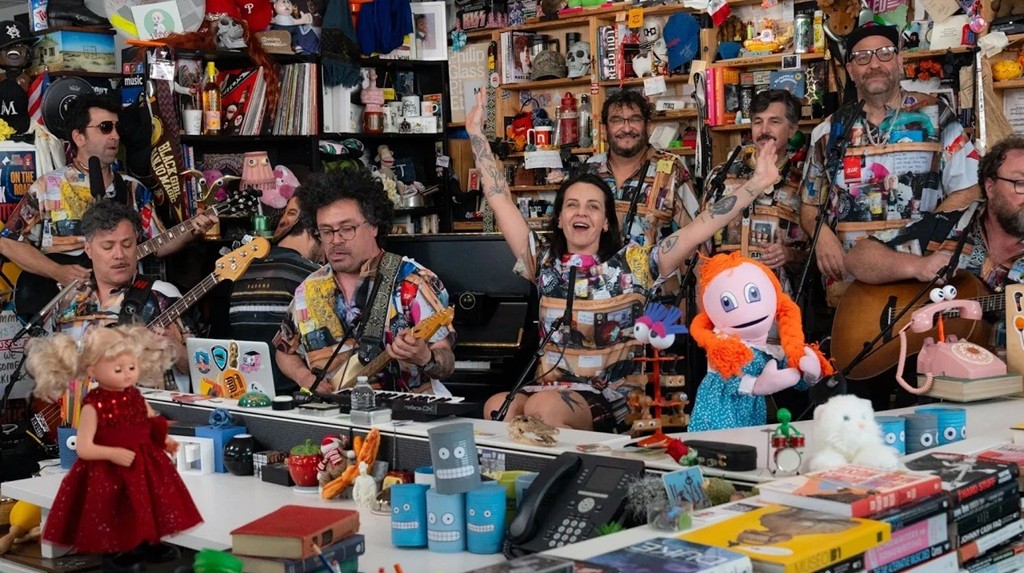
The Chilean puppet show 31 Minutos illustrates how a distinctive local voice can travel: its original Chilean slang, razor‑sharp riffing and comic timing aren’t just charming local color, they’re the show’s signature hooks that fans across Latin America celebrate and share. That regional flavor translated into measurable momentum—most strikingly at its Tiny Desk Concert in early October, which amassed over 2.1 million views and roughly 398,000 likes in the initial release window and triggered extensive press pickup across the region. Commercial signals are clear in the analytics: immediate view‑count spikes for performance clips, sharp day‑over‑day search lifts for character names and songs, and noticeable bumps in back‑catalog streaming and soundtrack plays after each high‑visibility moment. The show’s placement in Amazon Prime Video’s Latin America catalogue further scaled discovery, making episodes and related content easier to find across key markets and reinforcing how preserving original vocal flavor turns local authenticity into shareable, cross‑border cultural momentum.
Just as 31 Minutos turned Chilean slang and comic timing into a regional multiplier, other successful projects show the same pattern in different formats. Coco used Mexican musical choices, local collaborators and culturally specific dialogue to create deep emotional resonance beyond box office numbers; Narcos leaned into Colombian settings and idiomatic Spanish to boost perceived authenticity and international conversation; and Disney’s tests for Big City Greens found that Mexican-accent promos and dubs increased local engagement and episode completion, proving that when voice and cultural detail match audience expectations, discovery and loyalty follow.
Where flavor backfires
There are limits. Heavy dialectal slang can alienate neighboring markets or confuse viewers unfamiliar with local references. Attempts to force a regional dub into an audience with different idiomatic norms sometimes produce pushback, test failures, or even canceled releases. The sweet spot is cultural specificity that invites curiosity rather than shuts out comprehension.
Strategic Takeaway
At eSteno, we craft localization strategies that treat accents as strategic assets, not afterthoughts. If you want regional flavor that scales emotionally and commercially, contact us to design your dubbing and voice strategy and turn local voice into global attention.